
Favorite Products for Demolition Service Operations
Discover equipment trusted by industry experts to deliver powerful performance and reliable results on demanding demolition sites.
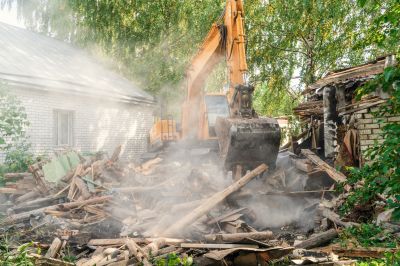 Demolition services in Boulder, CO, require a variety of specialized tools and equipment to ensure safety and efficiency. Whether working on residential structures, commercial buildings, or industrial sites, having the right products is essential for a successful project. From handheld tools to heavy machinery, the selection of demolition products can significantly influence the speed and quality of the work. Proper equipment not only facilitates the process but also helps maintain safety standards, protecting workers and nearby structures.
Top Overall Option
Heavy-Duty Demolition Hammer
A versatile demolition hammer offers powerful impact force suitable for breaking concrete, masonry, and other hard materials. Its robust construction and ergonomic design enable prolonged use with reduced fatigue, making it an essential tool for various demolition tasks. When selecting a demolition hammer, consider factors such as impact energy, vibration control, and compatibility with different chisel attachments to ensure it meets the demands of diverse projects.
Types of Products For Demolition Service
Demolition Hammers
Powerful handheld tools designed for breaking concrete and masonry surfaces, essential for detailed demolition work.
Rotary Drills
Heavy-duty drills capable of drilling through tough materials and creating openings in structural elements.
Sledgehammers
Traditional manual tools used for breaking down walls, concrete slabs, and other large structures.
Hydraulic Breakers
Attachment tools for excavators that deliver high-impact force for breaking large rocks and concrete foundations.
Concrete Crushers
Specialized attachments or standalone machines designed to crush concrete debris into manageable pieces.
Dust Suppression Systems
Equipment that minimizes dust during demolition, improving site safety and air quality.
Debris Chutes
Devices used to safely direct debris from upper levels to ground level, reducing hazards.
Safety Gear
Protective equipment such as helmets, goggles, gloves, and ear protection essential for worker safety.
Wrecking Balls
Large, heavy balls used for knocking down large structures, typically in heavy demolition projects.
Scaffolding and Support Structures
Temporary frameworks that provide safe access and support during demolition activities.
Water Blasters
High-pressure water equipment used for cleaning surfaces and controlling dust during demolition.
Vacuum Excavators
Machines that safely remove debris and liquids, especially useful in sensitive or confined areas.
Cutting Tools
Tools such as saws and torches used for precise cutting of metal, rebar, and other materials.
Air Compressors
Power sources for pneumatic tools, facilitating efficient operation of jackhammers and nail guns.
Portable Lighting
Lighting solutions to ensure visibility in dark or enclosed demolition sites.
Material Handling Equipment
Forklifts, dollies, and carts used for moving debris and materials efficiently.
Popular Choices
Widely used for their portability and ease of use in various demolition tasks.
Versatile tools that adapt to different demolition needs, including crushing and breaking.
Convenient for remote or hard-to-access sites without power cords.
Popular manual tools for breaking concrete and masonry in smaller projects.
Trending for maintaining cleaner work environments during demolition activities.
Preferred for their power and efficiency in breaking large structures.
Essential for providing power to tools in remote demolition sites.
Always in high demand for ensuring worker safety on active sites.
Effective for surface cleaning and dust suppression during demolition.
Still utilized in certain large-scale demolitions for their straightforward approach.
Popular for efficient debris collection and transportation from the site.
Ensuring visibility in low-light conditions, increasingly sought after.
Trending for precision cuts in structural demolition work.
Increasingly used for comfort and safety during prolonged tool operation.
Emerging in popularity for hazardous or hard-to-reach demolition areas.
In Boulder’s diverse construction environment, professionals often need versatile and durable tools that can handle different materials and structural complexities. The right products can help manage debris removal, structural weakening, and material separation effectively. Investing in reliable equipment can also reduce project downtime and improve overall productivity. When choosing demolition products, it is important to consider the specific requirements of each job, including the scale, materials involved, and safety considerations.
Safety gear and accessories are equally vital in demolition projects, ensuring that workers are protected from hazards such as falling debris, dust, and noise. Proper training and the right equipment can mitigate risks and promote a safer working environment. As Boulder continues to develop, the demand for efficient demolition tools remains steady, supporting both renovation efforts and new construction projects. Selecting appropriate products tailored to these needs can make the difference between a smooth operation and costly setbacks.
Key Buying Considerations
- Assess the scale and scope of your demolition project to determine the appropriate equipment size and power.
- Consider the materials involved, such as concrete, brick, or metal, to select suitable tools and attachments.
- Evaluate safety features like vibration control, ergonomic design, and dust suppression capabilities.
- Determine the need for mobility and portability, especially for sites with limited access or confined spaces.
- Check compatibility with existing tools and accessories to ensure versatility and future expandability.
- Prioritize durability and build quality to withstand demanding demolition environments.
- Review power sources, including corded, cordless, or hydraulic options, based on site conditions.
- Consider noise levels and vibration output to maintain safety and comfort for workers.
- Factor in maintenance requirements and availability of replacement parts for long-term use.
- Ensure compliance with local safety regulations and standards for demolition equipment.
- Budget considerations should include not only the initial purchase but also ongoing operational costs.
- Look for equipment with user-friendly controls and clear instructions to facilitate training and operation.
- Evaluate site-specific features such as access points, structural support, and debris management needs.
- Assess the availability of safety gear and accessories that complement the main equipment.
- Research vendor reputation and after-sales support to ensure reliable service and technical assistance.